
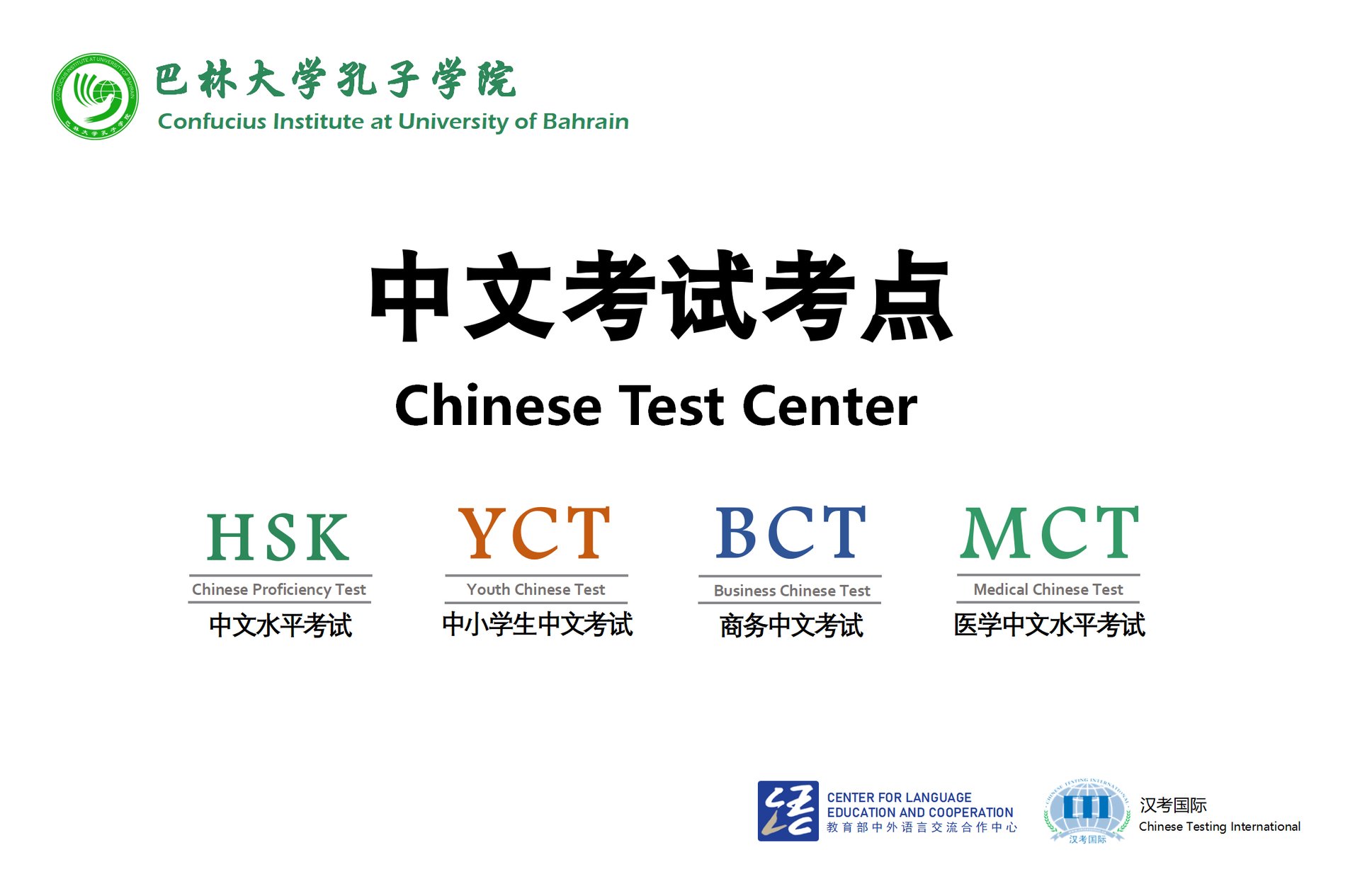
HSK
HSK (汉语水平考试) is a standardized test designed to assess the Chinese language proficiency of non-native speakers. It is widely recognized in China and abroad, and is often used for academic, professional, and personal purposes.
The test is divided into six levels, ranging from HSK 1 (beginner) to HSK 6 (advanced). Each level tests different skills, including listening, reading, and writing. Here's a brief overview of the levels:
- HSK 1 & 2: Beginner level, suitable for learners with 150-200 hours of study.
- HSK 3 & 4: Intermediate level, suitable for learners with 350-400 hours of study.
- HSK 5 & 6: Advanced level, suitable for learners with 600+ hours of study.

Content from Instagram post can't be displayed due to your current cookie settings. To show this content, please click "Consent & Show" to confirm that necessary data will be transferred to Instagram post to enable this service. Further information can be found in our Privacy Policy. Changed your mind? You can revoke your consent at any time via your cookie settings.


Hurry to sign up
HSK in 8th December, 2024


Registration website:中文考试服务网 (www.chinesetest.cn)
Registration steps are as follows:

Content from Google Drive can't be displayed due to your current cookie settings. To show this content, please click "Consent & Show" to confirm that necessary data will be transferred to Google Drive to enable this service. Further information can be found in our Privacy Policy. Changed your mind? You can revoke your consent at any time via your cookie settings.
The Introduction of HSK TEST
The HSK (Hanyu Shuiping Kaoshi), or Chinese Proficiency Test, is a standardized exam designed for non-native Chinese speakers to assess and evaluate their Chinese language skills. It is administered globally by the Confucius Institute Headquarters (now known as the Center for Language Education and Cooperation under the Ministry of Education of China). The HSK has six levels, ranging from beginner to advanced: HSK 1 to HSK 6.
Here is an introduction to each level:
1. **HSK Levels 1-2**: These levels are primarily for beginners. Test-takers need to master basic Chinese characters, vocabulary, and sentence structures. HSK 1 requires the knowledge of 150 commonly used words, while HSK 2 requires 300 words.
2. **HSK Levels 3-4**: These two levels are suitable for intermediate learners. Test-takers need to grasp a broader range of vocabulary and more complex sentence structures, enabling them to handle daily conversations and some practical situations. HSK 3 requires a vocabulary of 600 words, and HSK 4 requires 1,200 words. Those who pass these levels can usually communicate more fluently in everyday scenarios.
3. **HSK Level 5**: This level is intended for advanced learners. Test-takers should master 2,500 commonly used words and be able to understand more complex texts and contexts, read Chinese books and newspapers, and engage in more in-depth conversations and discussions.
4. **HSK Level 6**: This is the highest level, requiring knowledge of over 5,000 words. Those who pass HSK 6 should have a high level of Chinese expression and comprehension, enabling them to communicate fluently in Chinese, discuss specialized topics, and read complex Chinese articles.
Exam Structure:
- Listening: Tests the ability to understand spoken Chinese in different contexts.
- Reading: Assesses vocabulary, sentence, and text comprehension.
- Writing (from HSK Level 3 and above): Evaluates the ability to express oneself in written Chinese.
Passing the HSK exam earns a certificate issued by the Ministry of Education of China. These certificates can serve as valid proof of language proficiency when applying for university programs, scholarships, or jobs in China.
The Introduction of HSK Speaking Test(HSKK)
The HSK Speaking Test (HSKK) is a standardized test specifically designed to assess the oral proficiency of Chinese language learners. Unlike the HSK written exam, the HSKK focuses more on the test-takers' listening and speaking abilities. The speaking test is divided into three levels: Elementary, Intermediate, and Advanced. Each level is conducted via computer, where test-takers listen to questions and respond in Chinese.
Here is an overview of each HSKK level:
HSKK Elementary: Suitable for beginners who have a basic grasp of Chinese. Test-takers are expected to know around 200 common words and be able to engage in simple everyday conversations. The test includes reading words aloud, answering basic questions, and repeating content based on what they hear.
HSKK Intermediate: Designed for intermediate learners with a higher level of Chinese proficiency. Test-takers should know around 900 common words and be able to communicate and express themselves on common topics. The test involves reading sentences, answering questions based on prompts, and giving short responses on given topics.
HSKK Advanced: For advanced learners, this level requires strong oral proficiency. Test-takers need to know around 3,000 words and should be able to engage fluently in in-depth discussions. The test includes reading passages aloud, answering more complex questions, and giving detailed responses on specific topics.
Exam Structure:
Reading Aloud: Test-takers read specified words, sentences, or passages aloud, assessing their pronunciation and fluency.
Question and Answer: After hearing questions, test-takers need to respond quickly based on their understanding, testing their comprehension and speaking skills.
Presentation: Test-takers give a free-form response based on a given topic or image, assessing their ability to express themselves logically and coherently.
Consultation about Examination Registration
Content from Google Maps can't be displayed due to your current cookie settings. To show this content, please click "Consent & Show" to confirm that necessary data will be transferred to Google Maps to enable this service. Further information can be found in our Privacy Policy. Changed your mind? You can revoke your consent at any time via your cookie settings.
Address
Confucius Institute, University of Bahrain, Bahrain